
Personal health data is a highly sensitive issue. In the midst of a rapid process of digitization, Israeli healthcare systems and providers have become prime targets for hacking activity. Run by s A major stately entities or individual hacking groups acting in the name of ransom. As these threat actors scour for vulnerabilities, there is a physical care for such cyber viruses.
Hacking attacks on healthcare providers, institutions, and infrastructure is on the rise worldwide. Be it for the sensitive information such systems store. As well as for the cumbersome and sometimes outdated hardware infrastructure that is in a race to modernize. Or for the importance to keep the healthcare systems up and running and it’s constant need to avert prolonged halts to operations.
The data handling in Healthcare systems is highly diverse and fragmentary. Multiple systems handle electronic health records (EHRs), physical access control, medical device settings, and staff workflows. The system’s needs vary from emergency rooms and maternity wards to parking lots and operating theatres. All need to comply with strict, and different, international regulations.
Furthermore, according to one report in Israeli media, connected medical devices in hospitals will be in the next few years a prime target for Cyber-attacks. In contrast with the contemporary norm that hackers mainly attack administrative data systems. Nowadays, monitor units, CT equipment and even surgical tools- all have some sort of communication components. The compromised equipment, such as clinical Internet of Things (IoT) gear, can immediately affect the wellbeing of patients. Making the Cyber-attacks against health-centered institutions very real, and very deadly.
In correlation, at least four different fundamental Cyber-attacks were carried against hospitals in Israel between the end of 2023 and the start of 2024. These were only the publicized attacks, raising the question regarding the overall scale of attacks against healthcare institutions. The need for secure access has never been more vital.
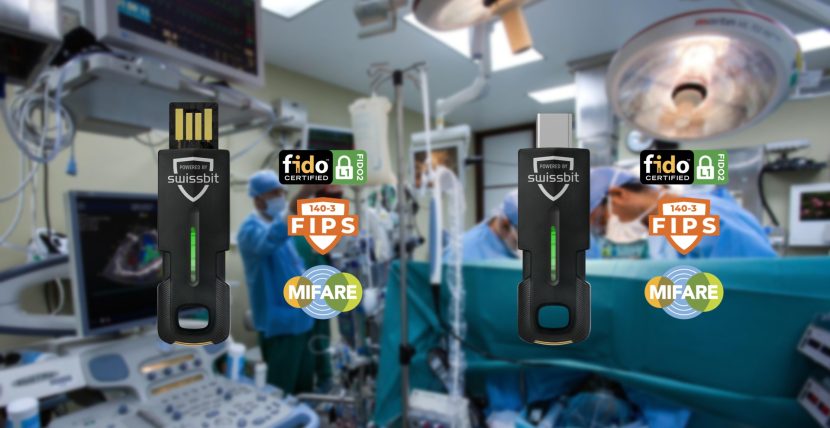
As the need for protected secured healthcare is acute, so is the identity-first care which is offered. The iShield security key, with its multiple nuanced high reliability- high durability versatility is the best option for the critical. The iShield security key Gen 2.0 is finely operating in accordance with multiple standards. Simultaneously, this key for shielded healthcare has a smart card chip, a Near Field Communication (NFC) chip, with FIPS 140-3 Level 3 and CC EAL6+ certification. Thus, the device is built for maximum operability and compliance. Alternatively, remote update capabilities ensure the device meets evolving cybersecurity requirements.
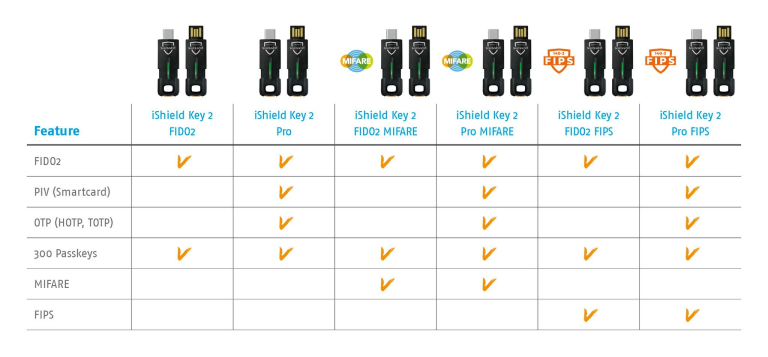
The brainchild of storage and tech security expert Swissbit, the iShield security keys are Compatible with MIFARE, HID, and LEGIC access systems. As they support seamless integration in any healthcare setting. In particular, from building entry to secure portals. Built for harsh conditions, the iShield is highly equipped to be used in medical situations, which may include gloves or disinfectants.
According to the 2025 HYPR State of Passwordless Identity Assurance Report, hardware-based authentication is expected to become the gold standard by 2027. Making the iShield security key the idle choice for passkey in high-demand scenarios of the world of healthcare.
Therefore, it is no wonder that Swissbit, and the iShield security key family in particular, are to debut in Black Hat USA 2025 starting today. Thus, Starting today and lasting till tomorrow, One of the biggest cybersecurity events of this year, will feature the iShield security keys at their best. Mainly shifting the focus of cyber protection from the cloud and code to the too often unnoticed aspect of the cyber security field. Namely, the physical layer of connected systems. Ranging from IoT and industrial equipment to critical infrastructure and edge devices.
According to a check point research report, the overall average weekly attacks against Israeli institutions in the last quarter of 2024 was 11% higher than the average benchmark worldwide. Plainly, 2067 attacks per week to be precise. 70% increase from the attacks carried out during the same quarter in 2023. Israeli healthcare providers will surely need a passkey to pass off the cyber-attacks of an increasingly hostile world.